




Your ABM Isn't Broken, Your Data Is: How Technographics Fix Targeting Gaps
A recent survey by Gartner reveals that 73% of B2B buyers now expect vendors to understand their specific technology environment before the first discovery call.
Yet many organizations still tether their Account-Based Marketing (ABM) strategies to static firmographics. This includes data points like company size and location that describe the external system of a company, but ignore the in-depth details.
The shift toward Technographics is no longer an option; it is a mechanical necessity for pipeline velocity. By adding a customer intelligence layer of technographics to firmographics and recognizing the intent within a prospect's digital DNA, organizations can effectively eliminate the friction inherent in traditional prospecting.
In an era where precision is the primary driver of ROI, failing to align your outreach with a target's existing infrastructure means you aren't just missing opportunities, you are actively subsidizing your competitors' win rates.
What are Technographics?
Technographics refer to the "digital DNA" of an organization. This dataset encompasses the specific hardware, software, cloud services, and IT infrastructure a company utilizes to run its operations.
While firmographics provide the skeleton, technographics provide the nervous system. It reveals real-time technical maturity, budget allocation, and operational pain points of a prospect.
According to recent industry data, organizations that integrate technographic insights into their ABM workflows see a 30% higher market efficiency and a 20% faster sales cycle compared to those relying on static data.
10 Strategic Ways Technographics Drives Your ABM Success
1. Precise Account Selection
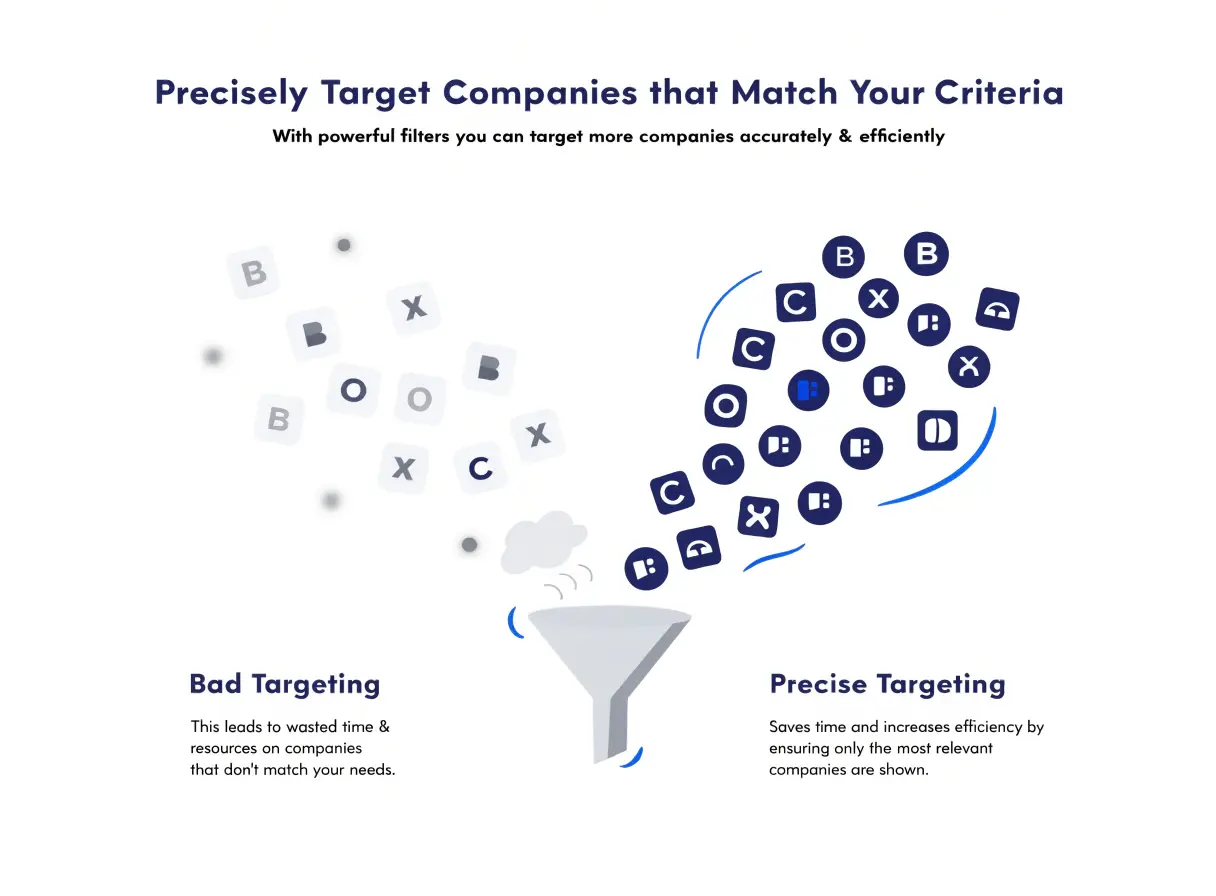
The foundation of any ABM strategy is the Target Account List. Instead of casting a wide net, technographics allow you to build your TAL by filtering for companies that already possess the prerequisite infrastructure.
If your software requires a specific version of Oracle or a particular cloud environment to function, you can instantly disqualify accounts that don't fit. This ensures 100% of your time, spend, and effort is focused on viable prospects.
2. Competitive Displacement Campaigns
One of the most effective uses of technographics is identifying rip-and-replace opportunities. By knowing exactly which competitor's product an account is using, your marketing team can leverage competitive marketing intelligence to launch targeted "switch-and-save" campaigns.
The Strategy: Create content that highlights specific, well-known limitations of the competitor's tool and positions your solution as the logical upgrade.
3. Leveraging Complementary Ecosystems
Strategic alliances drive B2B growth. If your product features a native integration with Salesforce, AWS, or HubSpot, technographics allow you to prioritize accounts already embedded in those ecosystems.
Your messaging shifts from "Buy this new tool" to "Enhance the tools you already operate with," which significantly lowers the barrier to entry.
4. Hyper-Personalized Messaging at Scale
Generic outreach won't work for strategic ABM. Technographics empower sales and marketing teams to tailor outreach to the prospect's specific environment.
Example: "I noticed your team is currently utilizing [Legacy System X] to manage your data workflows. We recently helped a similar firm migrate to a modern stack that reduced latency by 40%."
This level of detail proves you've done your homework, immediately building trust with decision-makers.
5. Predicting Purchase Intent via Tech Shifts
Sudden changes in a company's tech stack act as "buying signals." If an account suddenly installs a new tracking pixel, a trial version of a competitor's software, or a new cybersecurity framework, it often signals that a budget has been cleared for a major project. Monitoring these shifts allows you to enter the conversation exactly when the "window of opportunity" opens.
6. Defining Digital Maturity and Sophistication
Not every account is ready for an enterprise-grade AI solution. Technographics help you categorize accounts by digital maturity:
- Low Maturity: Companies using spreadsheets for CRM. (Focus: Education and ROI).
- High Maturity: Companies using automated, complex enterprise stacks. (Focus: Efficiency and Integration).
Categorizing accounts this way ensures your content matches the prospect's technical vocabulary.
7. Data-Driven Lead Scoring
Traditional lead scoring often overweights "vanity metrics" like whitepaper downloads. Technographics allow you to assign scores based on the "Ideal Tech Environment."
An account that uses three tools your product integrates with should automatically be fast-tracked to Sales, as their probability of closing is statistically higher.
8. Optimized Ad Spend and High-CTR Targeting
Digital advertising platforms now allow for sophisticated targeting based on technology usage. By uploading an account list enriched with technographics, you ensure your LinkedIn or Programmatic display ads are only shown to users who can actually use your product. This eliminates wasted spend on incompatible accounts and significantly drives up Click-Through Rates (CTR).
9. Churn Prevention and Customer Success
Technographics aren't just for acquisition; they are vital for retention. By monitoring your existing customers' tech shifts, your Customer Success team can receive alerts if a client starts testing a competitor's tool. This proactive visibility allows for "intervention" conversations before a cancellation notice is even drafted.
10. Refining the Value Proposition
If you know a prospect is struggling with a specific legacy system known for high maintenance costs, your ABM content (blogs, case studies, webinars) can focus exclusively on how your solution solves those specific latency or integration issues. You aren't just selling a product; you are selling a specific solution to their documented problem.
What is the ROI of Technographic Integration?
While individual company results vary, the broader B2B landscape in 2026 confirms that technographics are no longer "optional" for high-growth firms. The return on investment (ROI) from technographic integration is primarily realized through Efficiency Gains and Strategic Relevancy.
1. Velocity and Pipeline Acceleration
The most immediate ROI is the reduction in the sales cycle. By identifying "Technographic Fit" early, sales teams stop chasing accounts that have high firmographic appeal but zero technical compatibility.
Data-Driven Outcome: Targeted accounts move from Discovery to Proposal 20% faster because the "technical vetting" stage is essentially pre-completed by Marketing.
2. CAC Optimization via "Negative Segmenting"
Technographics allow for Negative Segmenting. It's the ability to instantly remove accounts using incompatible legacy systems or those who recently signed multi-year contracts with a competitor.
Economic Impact: This prevents the "leaky bucket" of ad spend, ensuring that every dollar spent on LinkedIn or programmatic ads is shown to a user whose infrastructure can actually support your solution.
3. Expansion and Cross-Sell Identification
For existing customers, technographics reveal when an account adds a new tool that integrates with your other product modules.
CLV Impact: Identifying these shifts early allows Account Managers to pitch upgrades at the exact moment of relevance, often resulting in an 18-22% increase in Customer Lifetime Value (CLV).
How Demand Curve Marketing (DCM) Can Help Strategise Your ABM?
Demand Curve Marketing transforms technographic data from a static list into a high-octane ABM engine. As a specialized B2B technographics data provider , we build customized, high-fidelity databases that map the specific digital DNA of your target accounts.
By utilizing DCM's 8-stage verification and 90-day refresh cycle, you gain:
- Precision Targeting: Filter by specific tech stacks, seat counts, and regional dominance.
- Competitive Intel: Identify accounts using rival solutions for effective displacement campaigns.
- Verified Outreach: Reach validated decision-makers who have the authority and the infrastructure to buy.
Conclusion
In 2026, the "Account" in Account-Based Marketing is defined by its digital infrastructure. Technographics provide the bridge between high-level strategy and tactical execution, allowing marketers to speak directly to the technical reality of their prospects.
By implementing the ten strategies outlined above, from competitive displacement to intent prediction, you ensure that your ABM strategy is fueled by precision. The result is a more resilient pipeline, a more efficient sales team, and a significantly higher ROI on every marketing dollar spent.
Frequently Asked Questions (FAQs)
1. How do technographics differ from firmographics?
Firmographics focus on the organization's external attributes, like revenue and location. Technographics focus on the internal environment, such as the specific software and hardware they use, providing deeper insight into their operational reality and buying intent.
2. Can technographics predict budget availability?
Indirectly, yes. A sudden shift in a company's tech stack, such as the installation of an enterprise-grade ERP or a new security firewall, often signals that a significant digital transformation budget has been approved and cleared.
3. How does technographic data prevent ABM churn?
By monitoring your current clients, you can see if they begin installing a competitor's tracking pixels or trial software. This "early warning system" allows your Customer Success team to intervene before the client formally decides to switch.
4. How does DCM ensure the technographic data isn't outdated?
DCM utilizes a rigorous 90-day refresh cycle and an 8-stage verification process. This prevents the common data decay found in standard platforms, ensuring you don't waste budget on accounts that have already migrated to different stacks.
5. Can DCM help me identify displacement opportunities against specific competitors?
Absolutely. DCM's competitor intel highlights exactly which accounts are currently using your competitor's solutions. We provide the digital mapping you need to launch highly specific "switch-and-save" ABM campaigns with hyper-personalized messaging.
6. How does DCM's ecosystem mapping improve my ad spend?
DCM identifies the installed base of specific technologies within your target list. By targeting only those who physically have the infrastructure to use your product, DCM helps you eliminate wasted spend, significantly boosting your Return on Ad Spend (ROAS).
About us
DemandCurveMarketing (DCM) is your dedicated B2B technology growth partner. Our handpicked team of expert technology marketers empowers IT and tech-driven companies to accelerate growth through data-driven strategies and unparalleled market intelligence. We specialize in delivering hyper-targeted audience insights, advanced technographics, precise channel and industry targeting, and comprehensive data enrichment and cleansing solutions—all in one place.
With intelligence on 30,000+ vendors spanning software, hardware, cloud, networking, and emerging tech, DCM helps you deeply understand your Total Addressable Market (TAM), identify high-fit opportunities, and align your outreach and campaigns for optimal impact. Our solutions support companies of all sizes, from ambitious startups to Fortune 500 leaders, ensuring that each client has access to reliable, current, and actionable data for a competitive advantage.
Subscribe to our Technology Marketing Hacks newsletter for tailored insights and growth strategies.
Contact us for any tech or marketing queries: sales@demandcurvemarketing.com